
Nestled amidst the majestic Himalayas, the quaint town of Chamba in Himachal Pradesh is a blend of history, spirituality, art, and nature. Located at an altitude of 996 meters (3,268 feet), this picturesque destination rests along the serene banks of the Ravi River, where it meets the Sal River. Known for its ancient temples, vibrant festivals, and stunning landscapes, Chamba is an enchanting escape into the heart of Himachal Pradesh.
Historical Glimpses of Chamba
According to history, Chamba dates back to the Kolian tribes of the 2nd century BC. Its importance, however, came when the Maru dynasty was founded by Raja Maru around 500 AD. The kingdom’s capital was originally located at Bharmour, which lies about 75 kilometers from Chamba. In the year 920 AD, Raja Sahil Varman moved the capital to present-day Chamba after the request of his daughter, Champavati, after whom the town is named.
Chamba existed as a princely state under 67 kings of the Maru dynasty for more than a thousand years. Though it was brought under British suzerainty in 1846, the town continued to sport its cultural personality to its ultimate merger with the Indian Union in 1948. Today, the town stands testimony to its heritage, from temples and palaces to fairs, which the town boasts of as part of its glorious past.
The Cultural Essence of Chamba
Chamba is home to cultural and artistic abundance. Its Pahari paintings, beginning in the 17th century, have gained fame for their minute details and vivid colors. Always painted on cotton or paper, the miniatures paintings of North Indian hill kingdoms are representations of nature and mythology.
The artistry of the town also manifests in handicrafts, such as that of the renowned Chamba rumals—wonderfully embroidered handkerchiefs sported with rich motifs. Noted for being beautiful artifacts, the Chamba rumals invoke regional cultural sophistication.
Chamba traditions come alive in the vibrant festival of Suhi Mata Mela-undeniably, a celebration of the sacrifice of Queen Naina Devi, and Minjar Mela, a harvest festival, marked by popular music, dance, and colorful processions. The festivals provide a glimpse into the town’s enduring customs and communal spirit.
Exploring Chamba: A Treasure Trove of Attractions
Chamba’s beauty lies in its blend of historical landmarks, spiritual sanctuaries, and natural wonders. Here are some of the must-visit destinations in and around Chamba:
1. Kailash Manimahesh Lake
Located at an altitude of 4,170 meters, Manimahesh Lake is one of the most sacred spots in the region. Just 28 kilometers from Bharmour, this glacial lake is believed to be blessed by Goddess Kali and protected by Lord Shiva. Thousands of devotees embark on the pilgrimage during the Manimahesh Yatra, held in August or September. Surrounded by snow-clad peaks, the lake offers a mystical experience, combining spiritual solace with breathtaking vistas.
2. Bhuri Singh Museum
Established in 1908, the Bhuri Singh Museum is a repository of Chamba’s rich cultural heritage. Named after Raja Bhuri Singh, the museum showcases an impressive collection of Pahari miniature paintings, historical manuscripts, coins, sculptures, and Chamba rumals. Its exhibits, including epigraphs and murals, provide a deep insight into the artistic brilliance of the region.
3. Lakshmi Narayan Temple
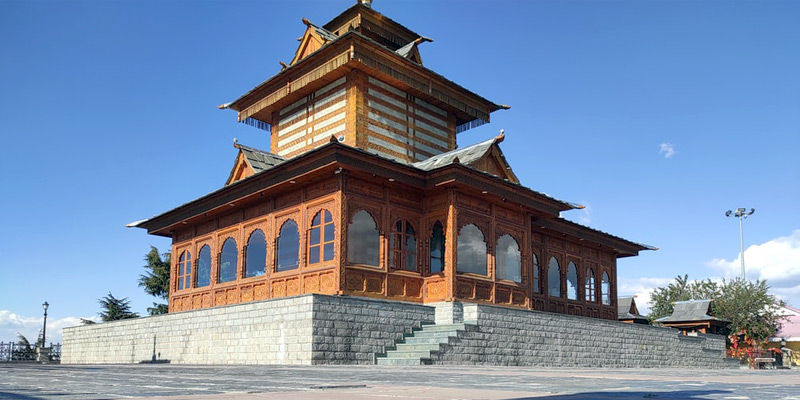
The Lakshmi Narayan Temple, built in the 10th century by Raja Sahil Varman, is the spiritual heart of Chamba. Dedicated to Lord Vishnu, this Shikhara-style temple is adorned with intricate carvings and a wooden chhatri, designed to protect it from heavy snowfall. The complex also houses shrines dedicated to Radha-Krishna, Shiva (Chandergupta), and Gauri Shankar, making it a prominent pilgrimage site.
4. Chamunda Devi Temple
Perched atop Shah Madar Hill, the Chamunda Devi Temple offers a commanding view of Chamba town and its surroundings. Known for its artistic carvings and serene ambiance, the temple attracts devotees and tourists alike. A nearby Shiva shrine and ancient peepul trees add to its spiritual charm, making it a perfect picnic spot year-round.
5. Hari Rai Temple
Dating back to the 11th century, the Hari Rai Temple is dedicated to Lord Vishnu. Located near the Chaugan, this Shikhara-style temple features intricately carved walls and a stone platform. The temple stands as a symbol of Chamba’s rich architectural legacy.
6. Chaugan
The Chaugan, a sprawling green expanse in the heart of Chamba, serves as a bustling hub for cultural and social activities. This promenade is the center of the annual Minjar Mela, a week-long festival featuring traditional attire, sports, and cultural performances. The fair concludes with the immersion of “Minjars” into the Ravi River, symbolizing prayers for prosperity.
7. Sui Mata Temple
The Sui Mata Temple honors the sacrifice of Queen Naina Devi, who gave her life to ensure a steady water supply for the town. Situated atop a hill, the temple hosts the Suhi Mela, a unique festival exclusively attended by women and children. The temple’s legend and cultural significance make it a must-visit destination.
8. Chaurasi Temples, Bharmour
The ancient capital of Chamba, Bharmour, is home to the Chaurasi Temples, a group of 84 shrines dating back to the 7th century. These temples, dedicated to deities like Lakshana Devi, Manimahesh, and Nar Singh, reflect the architectural and spiritual grandeur of the region. Bharmour also serves as a base for treks to Manimahesh Lake.
9. Lama Dal
Situated amidst the Dhauladhar range, Lama Dal is a group of seven interconnected lakes. Sacred to Lord Shiva, these lakes are surrounded by rugged landscapes, offering a serene retreat for trekkers and nature lovers. The largest of these, Lama Dal, is known for its pristine beauty and spiritual significance.
10. Pangi Valley
The remote Pangi Valley, nestled in the Pir Panjal range, is a haven for adventure enthusiasts. Its unspoiled beauty and traditional villages provide a unique opportunity to explore the untouched side of Himachal Pradesh. The valley’s isolation and rugged terrain make it a hidden gem for nature seekers.
Chamba Town: The Heart of Serenity
The city of Chamba itself is a delight to explore. Its narrow thoroughfares, bustling requests, and friendly locals produce an inviting atmosphere. Known for its aqueducts, meadows, and graphic geographies, Chamba offers a sense of tranquility that’s hard to find away.
During layoffs, occasional snowfall adds a magical touch to the city’s charm. The Chamba Church, erected in 1905, stands as a social relic amidst the Himalayan background. The Chamba Library, housed within the Government College, is a treasure trove of knowledge on Himachal Pradesh’s history and culture.
How to Reach Chamba
Chamba is well-connected to major cities by air, rail, and road:
- By Air: The nearest airports are Gaggal (135 km) and Amritsar (220 km).
- By Rail: Pathankot, 120 km away, is the closest broad-gauge railway station.
- By Road: Chamba is accessible via a robust road network, with regular buses operated by Himachal Road Transport Corporation (HRTC).
Distances from Major Cities
- Shimla: 378 km
- Mandi: 334 km
- Manali: 470 km
- Kangra: 180 km
- Delhi: 640 km
- Amritsar: 245 km
- Jammu: 245 km
Best Time to Visit
Chamba’s climate is pleasant throughout the year, making it an ideal destination for all seasons. The summers (April to June) are cool and refreshing, while the winters (November to February) offer the charm of snowfall. Monsoons (July to September) bring lush greenery, enhancing the beauty of the valley.
Conclusion
Chamba is a treasured destination in terms of history, cultural vibrancy, and stunning landscapes. Whether it’s the sacred waters of Manimahesh Lake or the frenzied celebrations of Minjar Mela, each turn of this destination tells a tale of resilience, devotion, and artistry.
Whether you are an ardent history enthusiast, have a thirst for adventure, or a peace-lover, Chamba has an experience embedded in your memory long after the visit. Do travel to Chamba and experience the timeless charm bonding you with that beauty.