
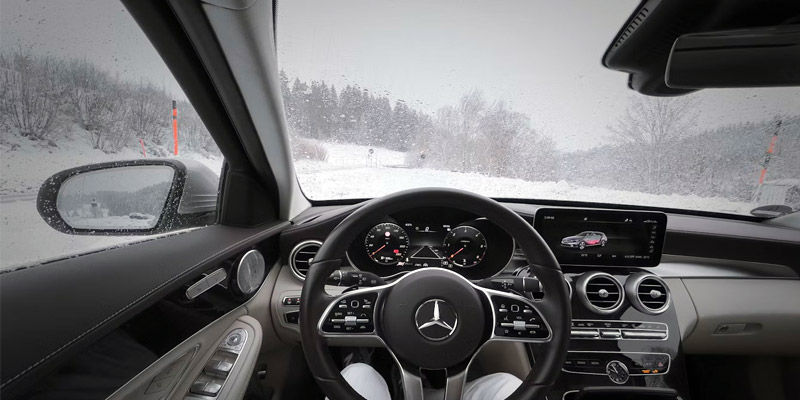
Winter changes the scene into a cold wonderland yet additionally brings difficulties for drivers. Cold and frosty streets increment the gamble of mishaps, making it fundamental to embrace safe driving practices. Here is an extensive manual for guarantee your process is both protected and open to during winter travel.
1. Prepare Your Vehicle for Winter
Before venturing out in snowy conditions, it is crucial to ensure your vehicle is in top shape. Here are the key components to check:
Tires:
- Ensure your tires have the correct air pressure and a good tread depth for optimal grip.
- Consider using winter tires for better traction on snowy and icy surfaces.
Brake System:
- Test your brakes to ensure they are functioning perfectly. Brakes are critical for maintaining control on slippery roads.
Antifreeze Levels:
- Check the engine coolant and antifreeze levels to prevent the engine from freezing.
Wipers and Washer Fluid:
- Inspect the wiper blades for wear and tear and replace them if needed.
- Use a washer fluid that is designed not to freeze in cold temperatures.
2. Drive at a Safe and Controlled Speed
Speed is a significant factor in winter driving accidents. Follow these guidelines to maintain control of your vehicle:
- Drive slowly and steadily, especially in areas with heavy snow or ice.
- Avoid sudden accelerations or abrupt stops, which can cause skidding.
3. Maintain a Safe Distance
Maintaining an appropriate distance from other vehicles is vital during winter driving:
- Increase the usual 3-second following distance to at least 6-10 seconds.
- This extra space allows you ample time to react and stop safely if needed.
4. Familiarize Yourself with Vehicle Controls
Understanding and effectively using your vehicle’s features can make a significant difference:
Anti-lock Braking System (ABS):
- If your vehicle is equipped with ABS, apply steady pressure on the brake pedal during braking. ABS prevents the wheels from locking and helps maintain steering control.
Steering:
- Turn the steering wheel gently and avoid abrupt movements. Smooth handling reduces the risk of skidding.
5. Use Tire Chains When Necessary
Tire chains are an excellent tool for enhancing traction in areas with heavy snowfall:
- Install tire chains to reduce the chances of skidding and slipping on snow-covered roads.
- Make sure the chains are securely attached and suitable for your tire size.
6. Optimize Visibility with Proper Lighting
Snowfall can significantly reduce visibility. Use your vehicle’s lights effectively:
- Use low-beam headlights to improve visibility and make your vehicle visible to others.
- Activate fog lights in conditions of dense fog or heavy snowfall.
- Regularly clean headlights, indicator lights, and brake lights to ensure they are functional and bright.
7. Carry Essential Emergency Items
Winter driving comes with the risk of being stranded. Always keep these essential items in your car:
- A first aid kit
- Flashlight and extra batteries
- Warm blankets and clothing
- A foldable shovel and anti-skid mats
- Non-perishable snacks and bottled water
- Tire chains and a fully charged mobile phone with a power bank
8. Avoid Sudden Braking
Sudden braking on icy or snow-covered roads can cause your vehicle to skid. Here’s how to brake safely:
- Press the brake pedal gently and gradually.
- Downshift to lower gears to reduce speed naturally without relying heavily on the brakes.
9. Approach Hills with Caution
Driving on hilly terrain in snow requires extra care:
Going Downhill:
- Shift to a lower gear and avoid continuous braking to maintain control.
Going Uphill:
- Maintain a steady speed and avoid stopping midway, which could lead to loss of traction.
10. Check Weather Conditions in Advance
Being informed about weather conditions can help you plan your journey more effectively:
- Always check the weather forecast for your route before heading out.
- If severe weather is expected, postpone your trip until conditions improve.
11. Handle Skidding Like a Pro
Skidding is one of the most common challenges of winter driving. If your vehicle starts to skid, follow these steps:
- Steer in the Direction of the Skid: Turn the steering wheel in the direction the rear of your vehicle is sliding.
- Ease Off the Accelerator: Avoid braking or accelerating until you regain control.
12. Keep Insurance and Emergency Contacts Handy
Preparation is key to handling emergencies:
- Ensure your vehicle insurance is current and provides adequate coverage for winter conditions.
- Keep emergency contact numbers, including roadside assistance services, easily accessible.
13. Park Safely in Snowy Conditions
Parking in snow requires careful consideration to avoid accidents or damage:
- Avoid parking on slopes where your vehicle might slide.
- Park on a flat surface and apply the handbrake firmly.
14. Practice Winter Driving Techniques
If you are new to driving on snow, practice in a safe, open area to build confidence:
- Familiarize yourself with your vehicle’s handling on slippery surfaces.
- Experiment with braking and steering gently to understand how your car reacts.
15. Seek Guidance from Experienced Drivers
Driving in snow can be intimidating for beginners. If possible, travel with someone who has experience driving in winter conditions. Their advice and guidance can be invaluable.
Conclusion: Prioritize Safety for a Successful Journey
Driving on frigid streets requires readiness, alert, and the right procedures. By following these tips, you can limit gambles and guarantee a protected and agreeable excursion. Keep in mind, your security and the wellbeing of others out and about ought to continuously be your first concern. Drive gradually, set up your vehicle sufficiently, and regard winter weather patterns for a fruitful excursion.